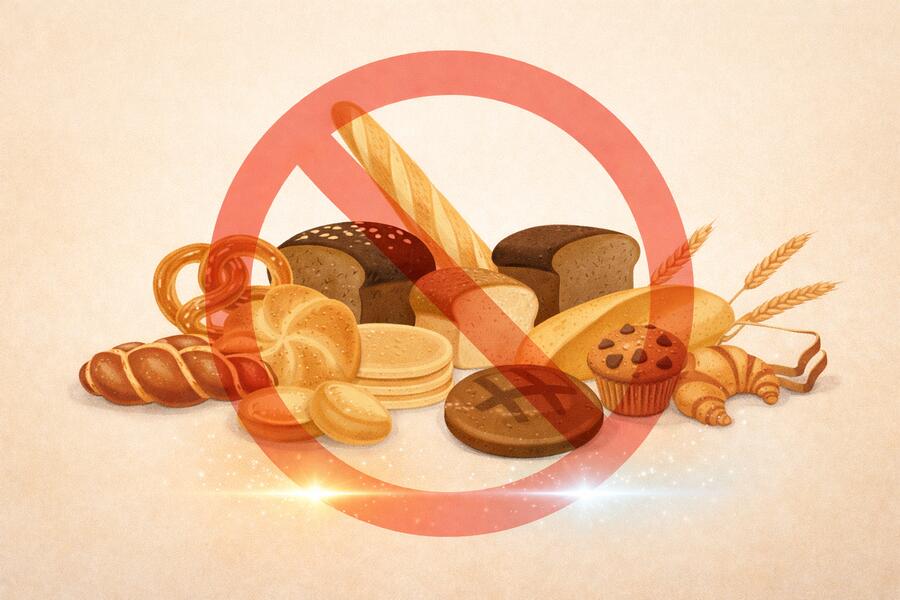
What Happens When You Don’t Eat Carbohydrates?
Removing carbohydrates doesn’t starve the body—it shifts fuel use. Here’s how glucose, fat, and ketones power energy when carbs disappear.

Removing carbohydrates doesn’t starve the body—it shifts fuel use. Here’s how glucose, fat, and ketones power energy when carbs disappear.

What actually happens in your body when you eat carbohydrates—from digestion and insulin release to how glucose is used, stored, or converted based on metabolic context.
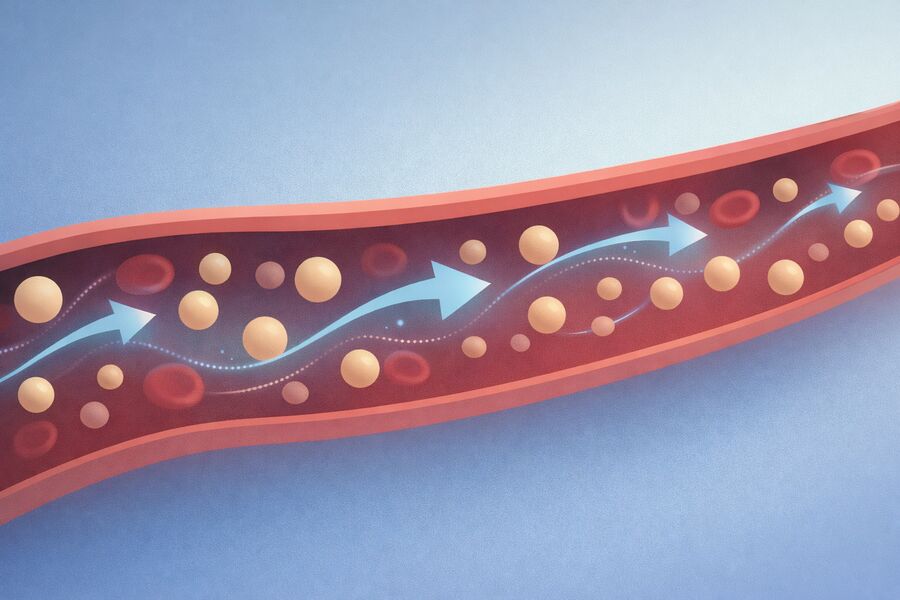
Insulin isn’t the enemy. It’s your body’s energy coordinator—keeping blood sugar safe, directing fuel to tissues, and revealing stress when resistance develops.
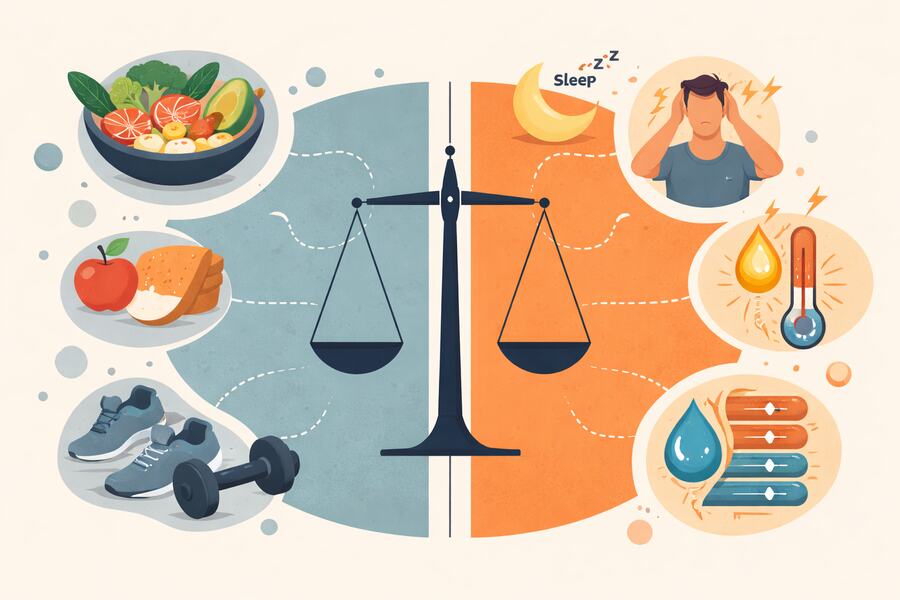
Metabolism explained: learn how your body uses carbs, fat, and protein for energy, storage, repair, and fuel switching across real-life conditions.
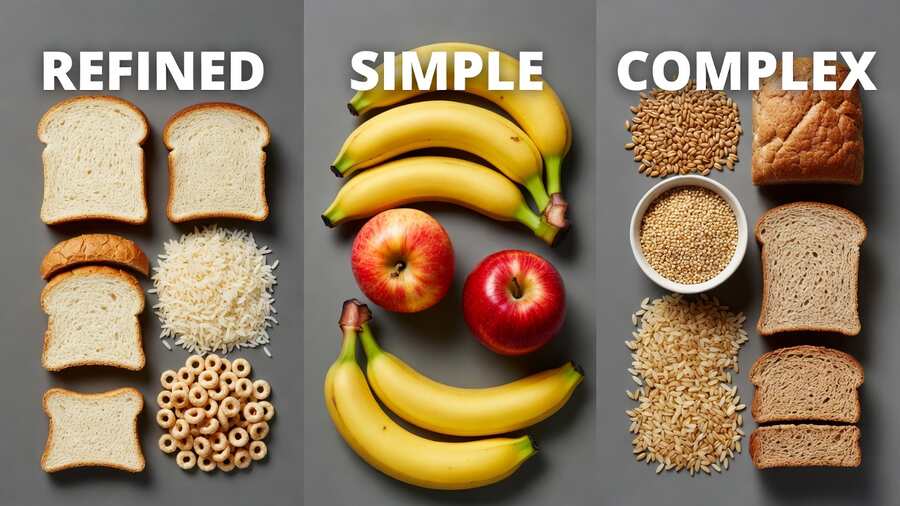
Simple, complex, and refined carbs aren’t as different as you think. Learn how carb types really affect blood sugar, insulin, and metabolism.

Carbohydrates explained without hype: what carbs are, how they work in the body, and why modern advice about them is so confusing.
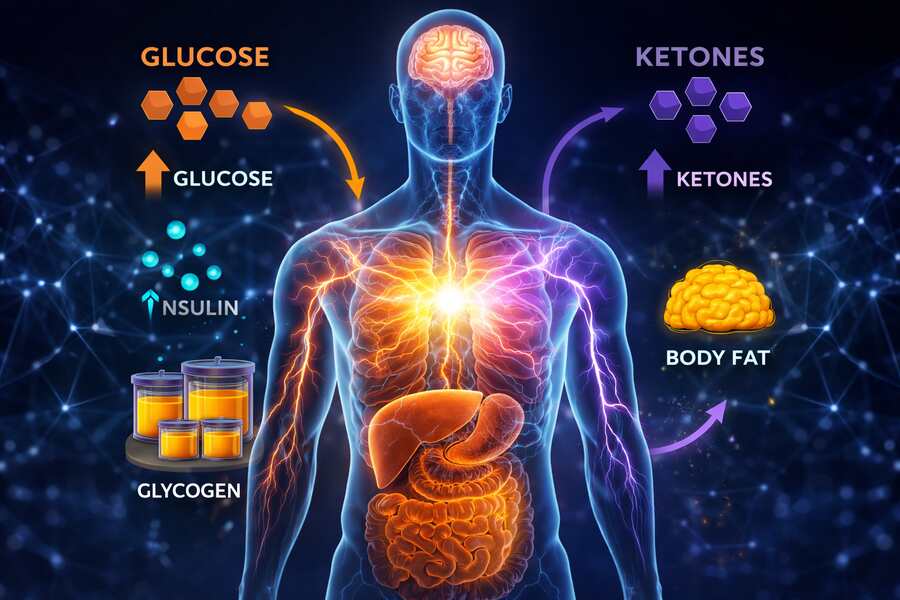
How many carbs do you really need per day? The answer may surprise you — and it challenges long-standing assumptions about carbohydrates and human health.

A science-based breakdown of methylene blue benefits, risks, and dosage—separating real medical evidence from online hype and biohacker claims.
The real vitamin D requirement is far higher than the outdated 600 IU guideline. A statistical error left millions deficient without realizing it.
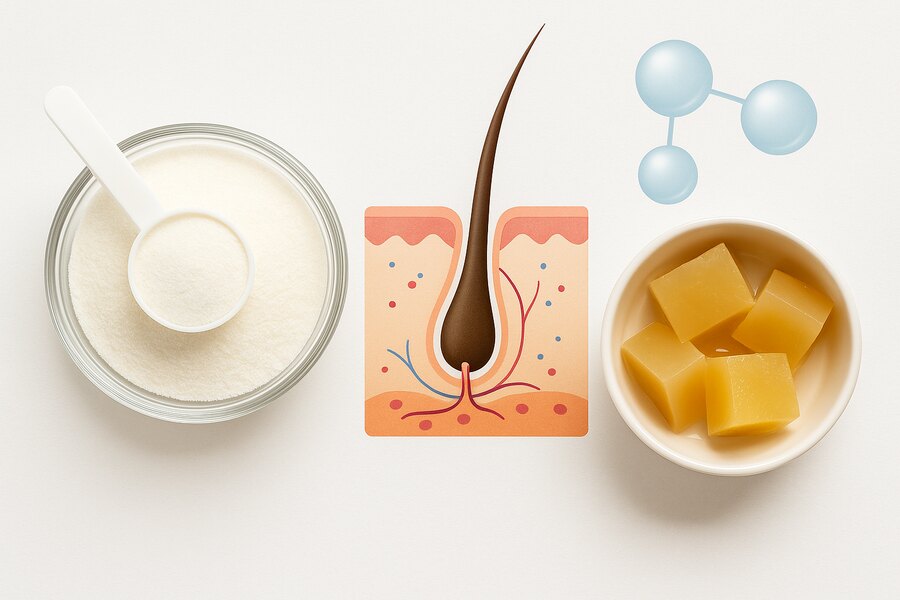
Collagen doesn’t regrow hair, but it strengthens the scalp environment and supports healthier, fuller-looking hair, especially in stress-related or nutritional thinning.